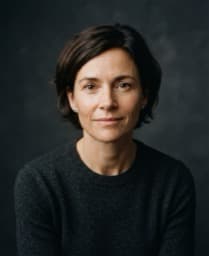
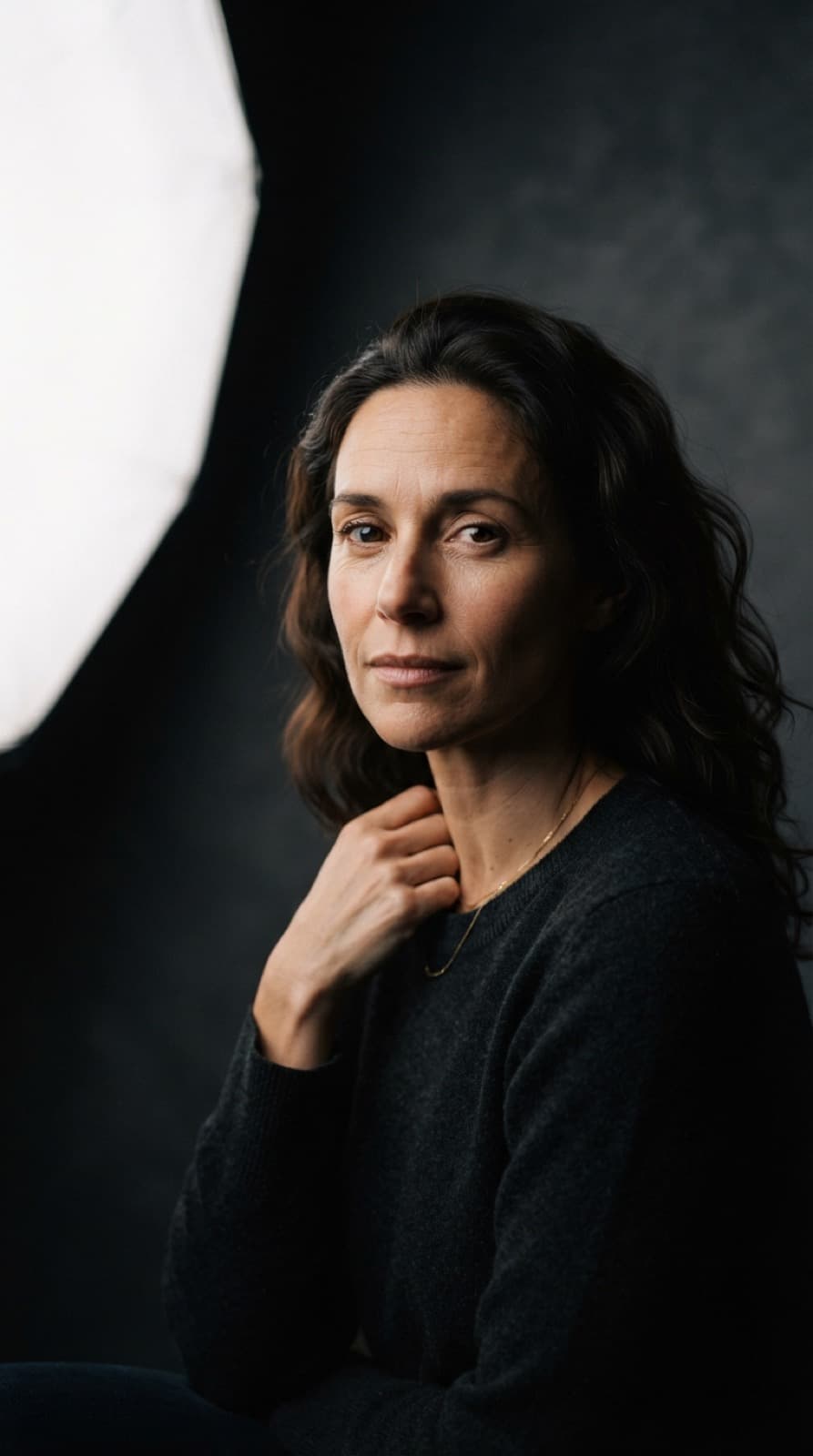
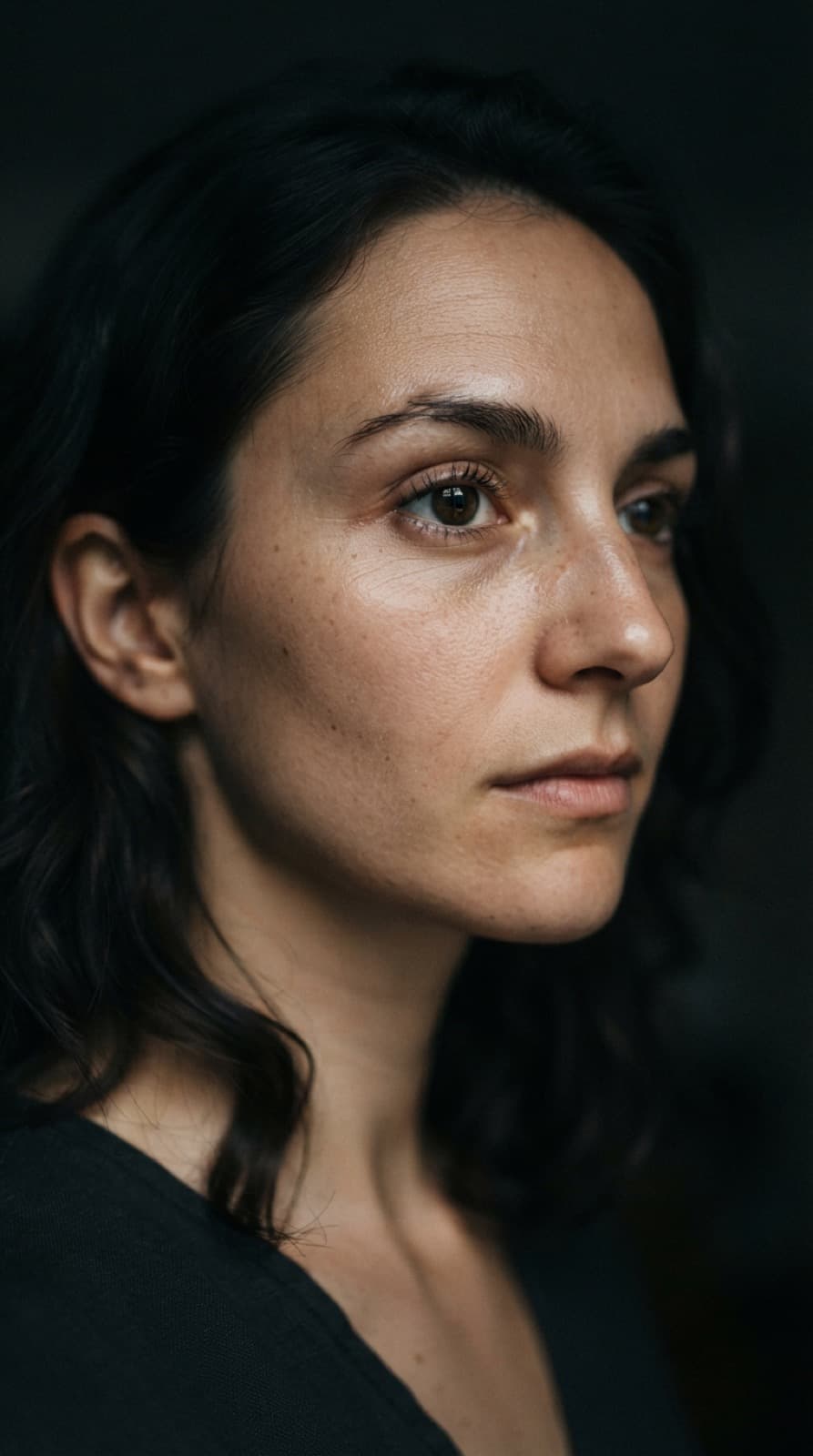
Most bad renders are not model failures. They are instruction failures: a sentence that meant one thing to you and something slightly different to the model, until the composition is somebody else's.
The same ten shapes turn up again and again — in our own work, and in the prompts people send us when something has gone wrong. None of them are stupid mistakes. They are all perfectly reasonable English.
How prompts break
A prompt is not a brief. It is the starting point of a search, and every word you add narrows that search in a direction you may not have intended. Adjectives about mood pull hardest, because they pull on light, colour, framing and expression all at once.
The fix is almost never a longer prompt. It is usually the same prompt with two words removed and one measurement added.
Say what the camera did. Let the key say how it looked.
— from the craft handbook
The ten, in order
Roughly in order of how often they appear, and how much damage each one does once it is in there. The first five are below; six through ten are grouped in the two sections that follow, because they fail for the same two reasons.
01 cinematic — Adds a vignette, teal shadows and a crop you did not ask for.
02 highly detailed — Pushes micro-contrast into skin and fabric until everything looks etched.
03 full body — Reads as framing and distance at once. Say the framing only.
04 beautiful lighting — Means nothing measurable. Direction and ratio do.
05 8k ultra HD — Does not change the output size — that is set by the model you pick. It mostly biases towards stock photography.
Words that do nothing
Six, seven and eight are decoration: masterpiece, award-winning, and three artist names stacked in a row. They take up room in the prompt, nudge the result towards whatever the model happens to associate with them, and give you no control you can repeat tomorrow.
If you cannot describe what removing a word would change, remove it and find out. That is the entire method.
Words that do too much
Nine and ten are the opposite problem. Dramatic and moody are single words that set light, colour, framing and expression simultaneously — which is why a portrait you wanted to read as serious came back looking bereaved.
4 — parts to a prompt that holds: subject, framing, one camera fact, one light fact
2 out, 1 in — the usual fix: two words removed, one measurement added
1 — credit to test an edit on the Draft tier
What to write instead
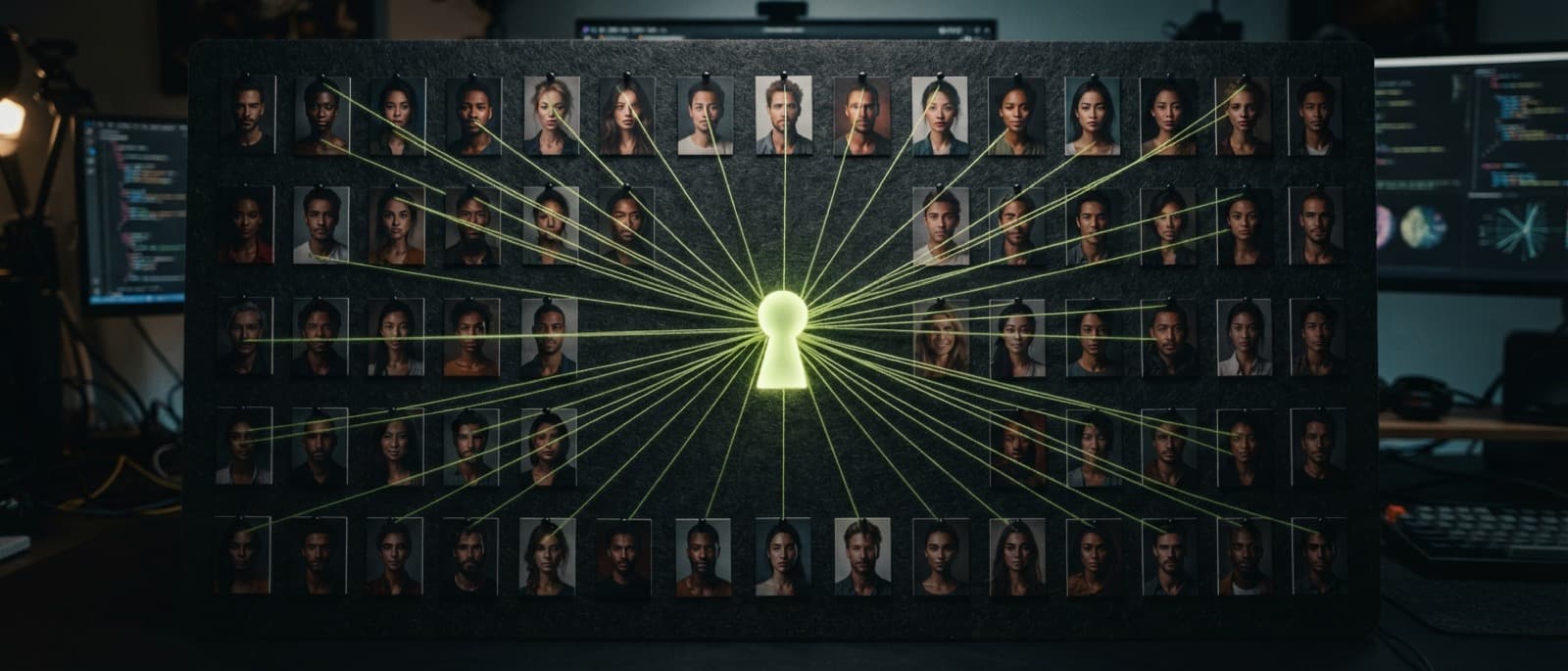
The format that holds up is boring and it works: subject, framing, one camera fact, one light fact. Nine words is usually plenty, because the character key is already carrying the look for you.
Aria, waist-up, 85mm, window light from the left. That is the whole prompt. Everything else belongs in the key, where it is reusable and where you can edit it once.
The cheapest way to check any of these is to try them: run the before and the after on the Draft tier, at one credit an image, and put the two side by side.